Resources
We’re excited to share resources we’ve designed to help you become a stronger, more confident speaker! Here, you’ll find videos, articles, carousels, infographics, and books we recommend. If there’s anything else you’d love to see here, let us know!
The Speech Coach Is In!
The Sparkplug
The Sparkplug is our monthly newsletter focused on all kinds of communication topics! You can subscribe on Substack or join our mailing list to receive the newsletter delivered directly to your inbox.
Quick Guides
These are resources we have shared on LinkedIn and Instagram. We hope they give you some quick advice before your next speaking event!
What We’re Reading (besides dragon books)
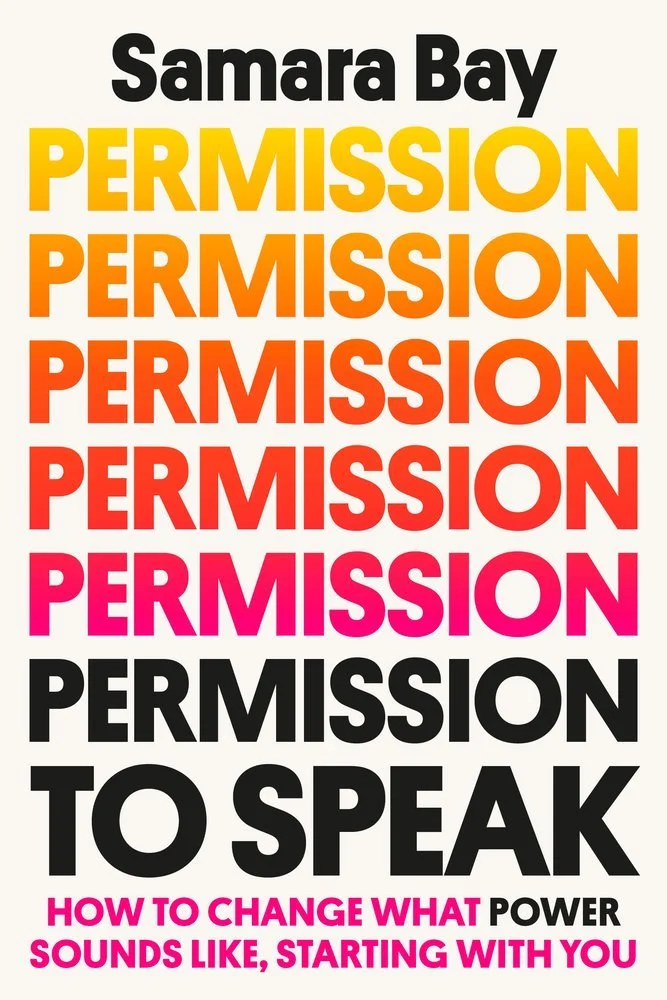
Permission to Speak by Samara Bay teaches you not just how to use your voice, but also why, when, and where. It tells you how to use tone, breath, and words to reach your audience and speak as your whole, authentic self. It teaches you how to give yourself permission to speak.
And the subtitle is just as important: "How to Change What Power Sounds Like, Starting With You." So often, we accept the ways in which conventional power systems restrain the choices we make as communicators. "People respect leaders who speak in a lower register" tells us to go alto. But Bay rightly points out that we only believe that because, for eons, men have been the ones holding the power. We should focus less on how to sound like the traditional arbiters of power and more on how we can shape the future ones to better represent the multiplicity of voices naturally occurring all around us.
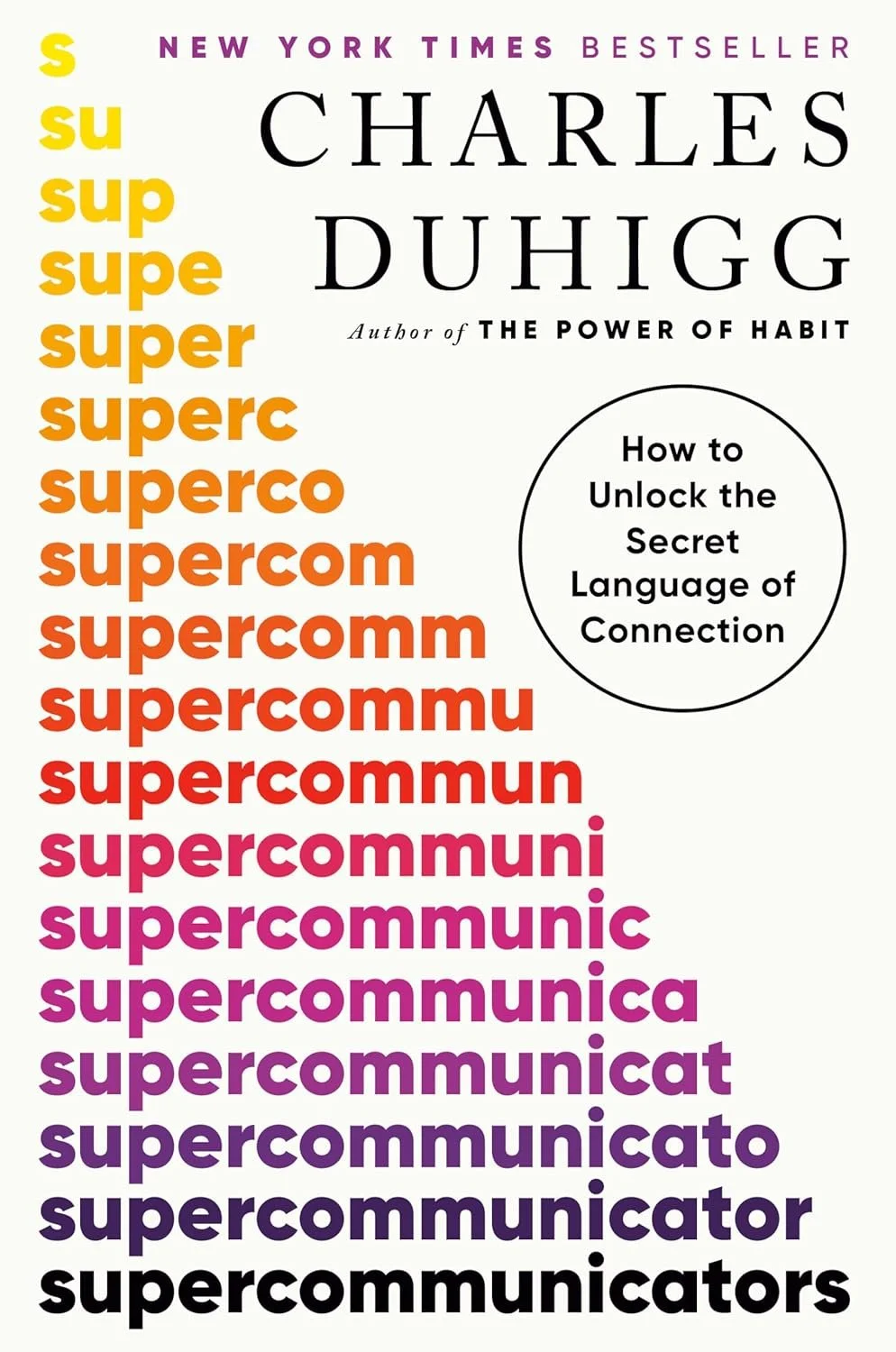
“Connection” is definitely having a moment in public speaking discourse and Duhigg’s book offers a valuable, accessible argument for prioritizing connection in all communication. Duhigg advises readers to analyze what kind of conversation they’re really having when they talk to someone and to ensure that they stay in that same conversation and on the same page with their listener. The specific examples and stories studded throughout the book add real interest and clarity.
At times, it feels like one of Duhigg’s main goals for communication is to build consensus, which is a goal we don’t always share, so we took issue with a few of his points. Aside from that, though, we really loved how he framed the most important goal of communication and conversation around connection. This would be an especially valuable read for people in client-facing positions.
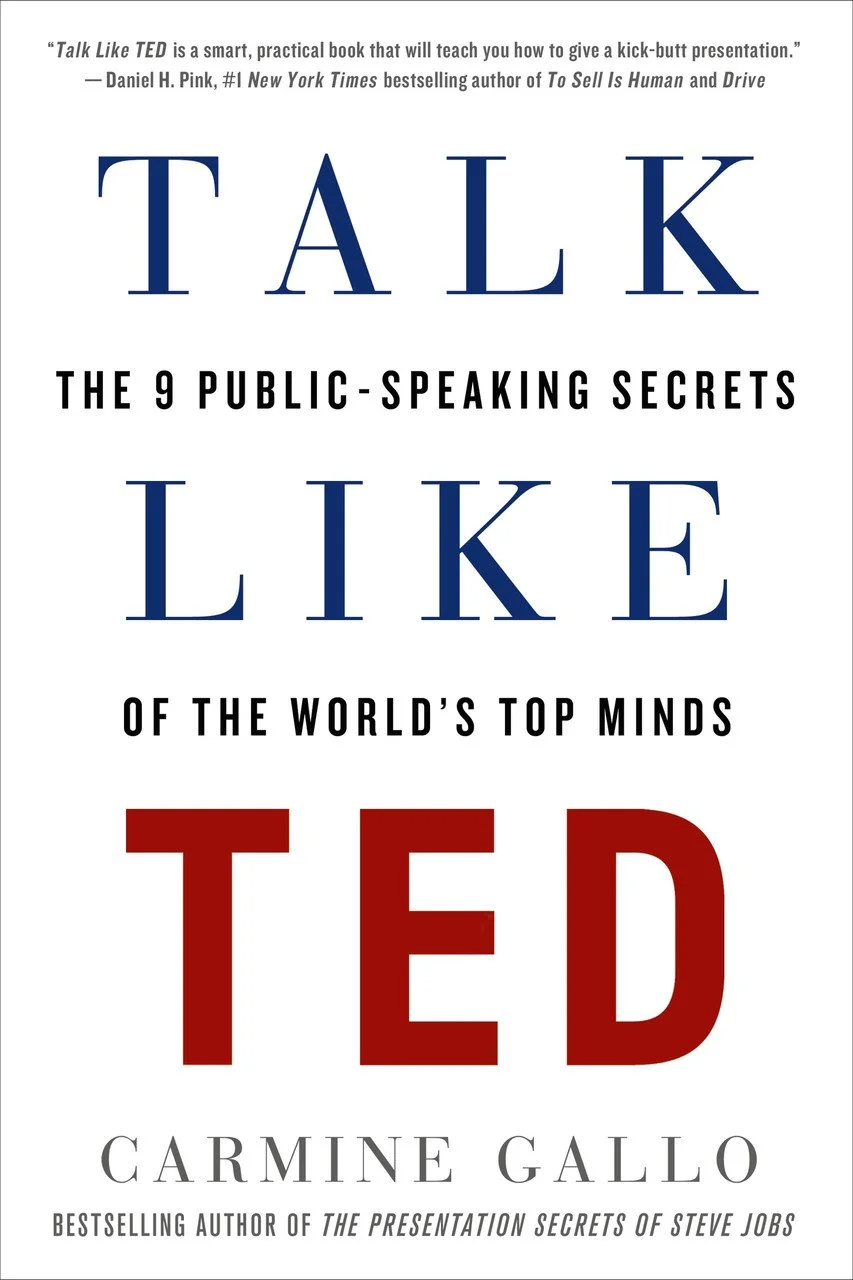
Talk Like TED has become one of the most celebrated guidebooks for effective public speaking. It focuses on the science of communication and promises to help readers learn to share their ideas with confidence and authority. It is broken into three sections based on the three qualities that the author argues great presentations are: emotional, novel, and memorable.
Whether or not you plan to give a TED Talk, this book has much to teach you. I like that Gallo includes advice for both writing and delivery and that he prioritizes authenticity and genuine connection between speaker and content and between speaker and audience. The examples throughout make the advice accessible, too.
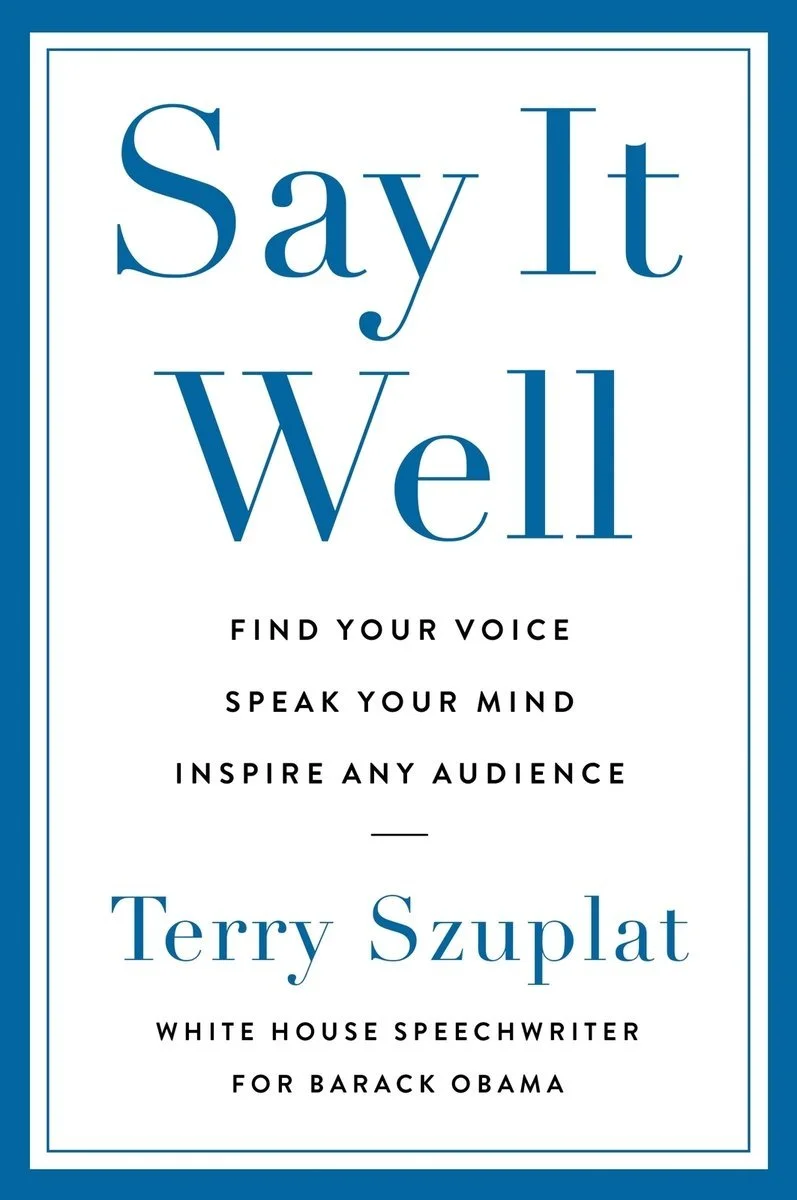
Say It Well is another recent, celebrated public speaking guide, written by one of Barack Obama’s former speechwriters. This book focuses far more on writing than delivery when compared to Gallo. Szuplat encourages readers to tell the story only they can tell and to prioritize the connection they will build with their audience through storytelling and writing in your own voice. Throughout the book, Szuplat provides a range of ideas and options, which makes his advice feel flexible, rather than prescriptive.
I loved that this book meshed valuable advice with behind-the-scenes peeks at what speechwriting looks like in the White House. A great read for any speaker, but especially those interested in pursuing professional speechwriting.